
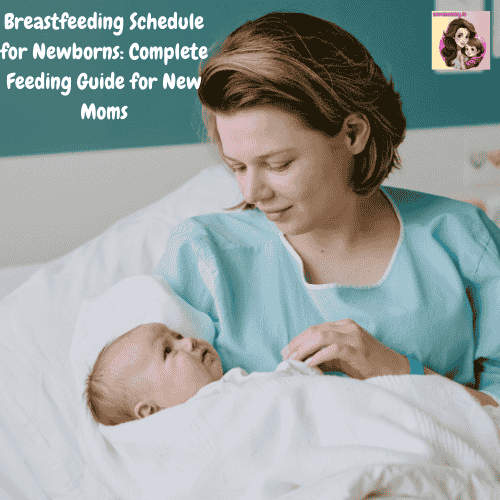
Complete Feeding Guide for New Moms
Introduction
The first few days after your baby arrives feel magical and a little overwhelming at the same time. Everything is new. Your baby is learning how to feed. You are learning how to breastfeed.
Many mothers start wondering the same question very quickly.
Is my baby drinking enough milk?
Newborn feeding does not follow a perfect clock. Babies eat often. Sometimes it feels like they just finished feeding and want milk again.
That is completely normal.
Understanding a simple breastfeeding routine can help you feel calmer. It also helps your baby grow well during the first weeks of life.
Why the First Milk Is So Important
During the first few days after birth your body produces a special type of milk. This milk is thick and slightly yellow. Doctors call it colostrum.
Some moms feel worried when they see only small drops. It may not look like much.
But that tiny amount is exactly what your baby needs.
This first milk is packed with nutrients. It helps protect the baby from infections. It also prepares the baby’s stomach for regular breast milk.
The milk produced during the first three days plays a very important role in your baby’s health.
Even a small feeding during this time gives powerful nutrition to the newborn.
How Often Should a Newborn Feed
Newborn babies need milk very frequently.
Most babies should breastfeed about every two hours.
Their stomachs are very small. Milk digests quickly. Hunger returns sooner than many parents expect.
Frequent feeding keeps the baby satisfied. It also helps your body produce more milk.
Sometimes babies ask for milk even sooner than two hours. That is perfectly fine.
Babies usually show small hunger signals before crying.
They may move their mouth.
They may suck their fingers.
They may turn their head toward the breast.
These are early signs that the baby wants milk.
How Long Each Feeding Should Be
Many newborn babies feed for around twenty minutes.
Some babies finish faster. Others take a little longer.
Each baby feeds in their own way.
A calm feeding session helps the baby drink enough milk. Try not to rush the process.
Babies sometimes pause while feeding. They may rest for a moment and start again.
This is very normal.
If the baby looks relaxed and satisfied after feeding, the baby likely drank enough milk.
Waking a Baby During the Day
Newborn babies sleep a lot in the beginning. Sometimes they sleep so deeply they miss feeding time.
During the first weeks it is important to wake the baby if feeding time has passed.
If two hours go by and the baby is still sleeping, gently wake the baby for feeding.
You can wake your baby in simple ways.
Change the diaper.
Lift the baby gently.
Stroke the baby’s back or feet.
Speak softly.
These small actions usually wake the baby enough to start feeding.
Why Frequent Feeding Helps Baby Growth
Regular feeding is very important during the newborn stage.
When babies sleep for long hours without feeding, they may not receive enough milk.
This can cause weight loss.
Newborn weight is closely watched during the first weeks. Doctors usually check the baby’s weight to make sure everything is going well.
Feeding every two hours helps prevent unnecessary weight loss and supports healthy growth.
Why Some Babies Stay Awake at Night
Many new moms notice a surprising pattern.
The baby sleeps peacefully during the day but stays awake more during the night.
This happens because newborn babies are still adjusting to the outside world.
Inside the womb babies often sleep while the mother moves around. After birth their body clock needs time to change.
Night waking is common during the first weeks.
With time the baby slowly learns the difference between day and night.
Night Feeding Can Feel Tiring
Night feeding can feel exhausting for mothers. Your body is still recovering from childbirth.
Try to make nighttime feeding calm and quiet.
Keep the room softly lit. Loud noises or bright lights can make babies more alert.
Keep water near your bed. Breastfeeding often makes mothers thirsty.
Rest whenever your baby sleeps. Even short naps help your body recover.
Signs Your Baby Is Getting Enough Milk
Many new moms worry about milk supply.
There are a few simple signs that feeding is going well.
The baby looks calm after feeding.
The baby produces wet diapers regularly.
The baby slowly gains weight.
The baby sleeps comfortably after feeding.
If these signs are present, breastfeeding is usually going well.
If you feel unsure, a doctor or lactation consultant can help guide you.
Gentle Tips for New Mothers
The early days of motherhood can feel emotional. Many moms feel tired and unsure at times.
A few small habits can help make breastfeeding easier.
Hold your baby close during feeding. Skin contact makes babies feel safe.
Drink enough water throughout the day.
Eat nourishing foods to support milk production.
Ask for help when you need rest.
Remember that breastfeeding improves with practice.
Both you and your baby are learning together.
Frequently Asked Questions
1.How often should I breastfeed my newborn?
Most newborn babies need feeding every two hours. Some babies may feed more often depending on their hunger.
2.Should I wake my baby if they are sleeping?
Yes. During the early weeks babies should not go long hours without feeding. If two hours pass during the day, gently wake the baby for milk.
3.How long should a feeding session last?
A typical feeding lasts about twenty minutes. Some babies may take a little longer.
4.Why is my newborn awake more at night?
Newborn babies do not yet have a clear day and night rhythm. Their sleep pattern gradually changes over time.
5.Can missing feeds affect my baby’s weight?
Yes. If a baby sleeps too long without feeding, they may not receive enough milk which can lead to weight loss.
Final Thoughts
The newborn stage can feel overwhelming. Feeding schedules may seem confusing at first.
That is normal.
Your baby is learning how to eat. Your body is learning how to produce milk.
Feed your baby often. Watch for hunger signs. Wake the baby during the day if needed.
Slowly a comfortable routine will develop.
With time breastfeeding becomes easier. And those quiet feeding moments will become some of the most beautiful memories of early motherhood.